CALL US! 1-415-851-9190
LetsGo@Lucky-Tuk-Tuk.com

Each of our tuk-tuks is named in honor of a remarkable woman from San Francisco’s history. Women have played powerful, city-shaping roles throughout the story of the City by the Bay—yet many of their contributions were underreported, overlooked, or forgotten entirely.
Lucky Tuk Tuk was built around the idea that San Francisco is best experienced through human stories, not just landmarks. Naming our vehicles after influential women is our way of honoring the people who helped shape the city’s culture, values, and communities—often without recognition at the time.
These women were entrepreneurs, artists, healers, and civil rights pioneers. Their stories reflect resilience, creativity, and courage—qualities that still define San Francisco today.
Each woman honored on our fleet represents a different chapter in San Francisco’s history. From civil rights and social justice to artistic freedom and early settlement, their legacies continue to echo through the neighborhoods, streets, and communities we explore every day.

Mary Ellen Pleasant – Mary Ellen Pleasant was born into slavery in Georgia in 1814 (some records say 1812). She arrived in San Francisco in 1852 as a free woman and became a key figure in the Underground Railroad on the West Coast, helping escaped slaves find employment and safety in California.
She went on to become a successful entrepreneur and landowner. Nearly a century before Rosa Parks, Mary Ellen sued a local transportation company for refusing African Americans the right to ride. She won the case, leading to the integration of San Francisco’s streetcars.
Mary Ellen Pleasant’s fight for equal access to transportation and economic opportunity helped shape San Francisco’s identity as a city of progress and resistance. Her legacy lives on in the city’s ongoing pursuit of civil rights and social justice.
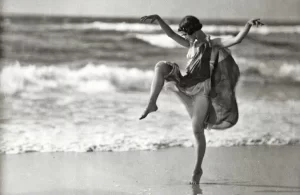
Isadora Duncan – Born in San Francisco in 1877, Isadora Duncan is recognized as the mother of modern dance. As a teenager, she and her sister opened a dance school for girls in their San Francisco home.
Her career later took her to England and across Europe, where she founded additional dance schools and gained international acclaim. Isadora was known for rejecting rigid artistic rules and social expectations, embracing freedom of movement, expression, and lifestyle.
Isadora Duncan helped position San Francisco as a birthplace of artistic experimentation and creative independence. Her influence can still be felt in the city’s vibrant arts scene and its long-standing embrace of individuality.
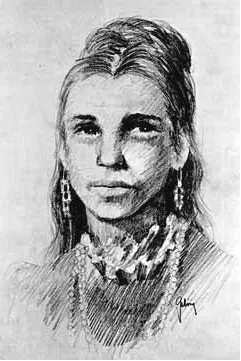
Juana Briones – Born in 1802, Juana Briones is often called the “Mother of San Francisco.” In the 1830s, she ran a successful ranch in what is now North Beach, selling crops to sailors and offering sanctuary to refugees.
She became widely respected as a farmer, healer, caregiver, midwife, and bone-setter—accomplishments made even more remarkable by the fact that she never learned to read or write. After separating from her husband, she became one of the few women in California to own property under her own name.
Juana Briones represents resilience, independence, and care for community. Her story reflects the foundational role women played in building San Francisco long before it became a major city.
The legacies of these women are woven into San Francisco’s neighborhoods—from North Beach and downtown transit corridors to cultural districts shaped by artists, activists, and caregivers. Their influence continues through the city’s spirit of independence, creativity, and compassion.
When guests explore the city aboard a Lucky Tuk Tuk, they’re riding in vehicles named after women who helped define San Francisco’s character. These stories aren’t locked behind museum walls—they move through the city every day, just like the people who continue to shape it.
The women honored here represent only a small part of San Francisco’s rich history. The city’s past—and future—includes innovators, activists, artists, and leaders from all backgrounds. Our fleet reflects an ongoing commitment to recognizing the people whose stories deserve to be remembered.
Seeing San Francisco through the lens of its people adds depth to every street and neighborhood. A private sightseeing tour offers the chance to explore the city while hearing the stories that shaped it—stories of courage, creativity, and community.
Explore San Francisco on a Lucky Tuk Tuk private tour and experience the city through the people who made it what it is today.
Each of our tuk-tuks is named in honor of a significant woman in San Francisco’s history. Women have done some amazing things in the history of the City by the Bay—much of which has been underreported or long forgotten. Naming our vehicles is our way of keeping those stories visible, celebrated, and moving through the city every day.
This page currently features Mary Ellen Pleasant, Isadora Duncan, and Juana Briones. Each one represents a different part of San Francisco’s story—from civil rights and entrepreneurship, to arts and culture, to early settlement and community care.
Mary Ellen Pleasant moved to San Francisco in 1852 and became the West Coast terminus of the Underground Railroad, helping escaped slaves find jobs and safety in California. She also sued a local transportation company for not allowing African Americans to ride, won the case, and helped integrate San Francisco’s streetcars.
Isadora Duncan was born in San Francisco in 1877 and is widely known as the mother of modern dance. As a teenager, she and her sister opened a dance school for girls in their San Francisco home. She later became internationally famous in England and Europe, where she opened several more dance schools and became known for defying social constraints and embracing free love.
Juana Briones, born in 1802, is often called the “Mother of San Francisco.” In the 1830s she ran a successful ranch in what is now North Beach, sold crops to sailors, and offered sanctuary to refugees. She became known as a farmer, healer, caregiver, midwife, and bone-setter—accomplishing all of this without ever learning to read or write. After separating from her husband, she became one of the few women in California to own property under her own name.
This page begins the series and highlights the first women currently listed here. As the fleet and stories grow, we can add additional honorees and expand this page so it reflects the full set of women represented across our tuk tuks.
Yes—these stories connect directly to San Francisco’s neighborhoods and history. A private tour is a great way to explore the city while hearing the human stories behind the places you’re seeing.
You can book here: https://lucky-tuk-tuk.com/tours/private-charter-san-francisco-tuk-tuk-city-tour-1/